
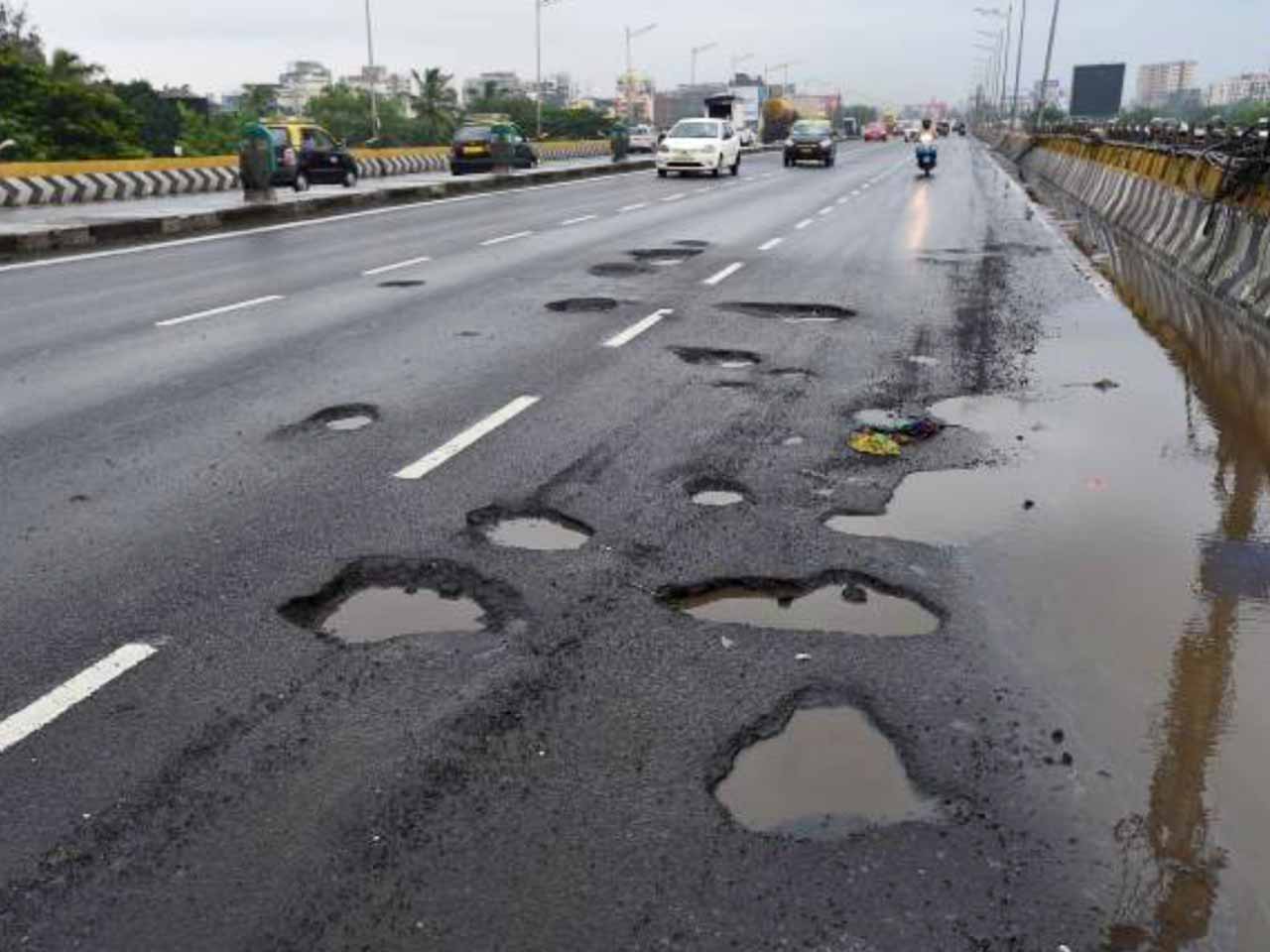
Road construction and maintenance in India are managed by multiple agencies depending on road classification, with the Ministry of Road Transport and Highways overseeing national highways through bodies such as the National Highways Authority of India and State Public Works Departments, while traffic discipline is enforced by the Road Transport Offices through fines and penalties imposed on citizens, yet there is a striking asymmetry in accountability that places the entire burden of compliance on road users while absolving executing agencies and responsible officers of any meaningful responsibility for the quality, safety, and longevity of the very roads they build, and it is this imbalance that compels me to write to your esteemed newspaper to seek urgent public attention and institutional accountability.
Citizens are routinely fined for minor infractions over-speeding by a few kilometers, a faded number plate, or a momentary lapse in documentation under the justification of road safety, yet the same standard of safety is rarely applied to the roads themselves, many of which are riddled with potholes, uneven surfaces, abrupt level changes, poor camber, and dangerously inconsistent slopes that directly contribute to accidents, vehicle damage, traffic congestion, and even loss of life, making it both ironic and unjust that the state penalizes citizens for conditions largely created by its own failure to ensure quality infrastructure.
Across cities, towns, and even newly inaugurated highways, one can observe freshly laid roads being dug up within weeks, sometimes days, for the laying of cables, pipelines, drainage lines, or other utilities, only to be hastily patched up with substandard material, leaving behind scars that weaken the road structure, disrupt traffic flow, and drastically reduce the lifespan of the surface, which is a clear indicator of poor interdepartmental coordination, lack of planning, and a casual attitude toward taxpayer money that is collected with great difficulty from ordinary citizens.
These repeated dig-and-patch cycles are not minor inconveniences but systemic failures that point to misuse of public funds, where the same stretch of road is paid for multiple times without delivering commensurate value, durability, or safety, and yet no officer, contractor, or department is ever publicly held answerable for this waste.
Low-quality roads and cosmetic patchwork have become normalized to such an extent that citizens now expect newly laid roads to start deteriorating after the first monsoon, with potholes emerging after a single spell of rain, loose aggregates coming off due to improper tar-to-aggregate ratios, water stagnation caused by incorrect slope design, and edge failures due to poor compaction, all of which indicate that basic engineering standards, material specifications, and quality-control protocols are either not followed or not enforced.
It is deeply concerning that while India proudly reports kilometers of roads constructed as a metric of progress, far less attention is paid to how long these roads last, how safely they perform under real-world conditions, and how much recurring expenditure is required to keep repairing what should not have failed in the first place, thereby turning infrastructure development into a perpetual cycle of construction and reconstruction rather than a long-term public asset.
Road quality is not merely an engineering issue but a public safety concern, as poor surfaces increase braking distance, cause skidding, lead to loss of vehicle control, damage suspension systems, tires, and alignment, increase fuel consumption, and disproportionately affect two-wheeler riders, pedestrians, emergency vehicles, and public transport buses that cannot easily avoid damaged stretches, making the state’s emphasis on traffic fines without corresponding infrastructure accountability both unfair and counterproductive.
If fines can be imposed on citizens for violating traffic rules in the name of safety, then similar penalties financial, administrative, and disciplinary should be imposed on departments, contractors, and responsible officers for substandard road quality, premature failure, repeated digging, and unsafe design, with clear responsibility fixed at each stage from planning and tendering to execution, inspection, and maintenance; there must be mandatory, transparent, and independent quality audits of road works, including material testing, compaction checks, surface evenness measurements, drainage adequacy, and post-monsoon performance reviews, with these reports made available in the public domain, so citizens can see how their money is being used and whether standards are being met.
Furthermore, any road digging within a defined defect-liability period should attract strict penalties unless justified by genuine emergencies, and even then, reinstatement must be carried out to original or better standards under third-party supervision, rather than the crude patchwork that is currently the norm; accountability must be personal as well as institutional, meaning that designated officers should be answerable for approvals granted, quality certificates issued, and maintenance ignored, so that failures are not conveniently attributed to “the system” while individuals remain insulated from consequences.
Only when officers and contractors face real repercussions such as recovery of costs, blacklisting, adverse service records, or legal action will there be an incentive to prioritize durability, coordination, and quality over speed, optics, and short-term targets; roads should be designed and built to last through seasonal stress, especially monsoons, with proper sub-grade preparation, drainage planning, and material selection suited to local climate and traffic loads, because it is unacceptable that in a country with decades of road-building experience, failures still occur so predictably and so quickly.
Through this letter, I urge the media to amplify this issue not as an isolated complaint but as a structural governance problem that affects economic efficiency, public safety, environmental sustainability, and citizen trust, and I appeal to policymakers to move beyond headline figures of kilometers built toward a performance-based approach that values quality, longevity, and accountability; citizens do not object to paying fines when rules are broken, but they rightly expect the state to meet the same standard of responsibility in delivering safe, durable, and well-planned roads, and until fines, audits, and accountability apply equally to those who build and maintain roads as to those who use them, the promise of infrastructure-led development will remain incomplete, inefficient, and deeply unfair.