

⚠️ Disclaimer:
This is only educational. Not trading advice. Intraday profits like 5% a day (₹5,000 on ₹1,00,000) are very aggressive and usually not consistent. The #1 goal is protecting capital.
🎯 Objective
- Starting capital: ₹1,00,000 (intraday margin).
- Soft daily profit goal: ₹5,000.
- Stop for the day if:
- Profit target hit OR
- Loss reaches ₹2,000.
⏰ Trading Window
- Focus time: 9:30 –10:30 AM (after opening chaos settles).
- Style: Scalping – very short trades, seconds to minutes.
- Stocks: Only liquid, popular F&O names (tight spreads, easy to buy/sell).
🔑 Core Idea
We’re looking for early morning opportunities in stocks that opened strong. Two main plays:
- Ride the momentum → If stock gaps up and keeps going higher.
- Fade the profit-booking → If stock opened strong but starts stalling and sellers take control.
🔍 Live Screening (9:15–9:25 AM)
Track these for each shortlisted stock:
- Opening Range (OR) = high & low of first 10 minutes.
- Volume strength vs average (is today’s volume unusually high?).
- VWAP vs Price → If price is above VWAP = strength, below VWAP = weakness.
Keep only 3–5 stocks to watch.
Got it — in day trading, drift simply means the intraday directional bias (whether price has a statistical tendency to move up or down during the session).
There’s no official “drift indicator” on National Stock Exchange of India — you derive drift from price + volatility + participation.
Below is a practical, trader-usable framework.
📊 Step 1 — Find the Opening Drift (first 15–30 minutes)
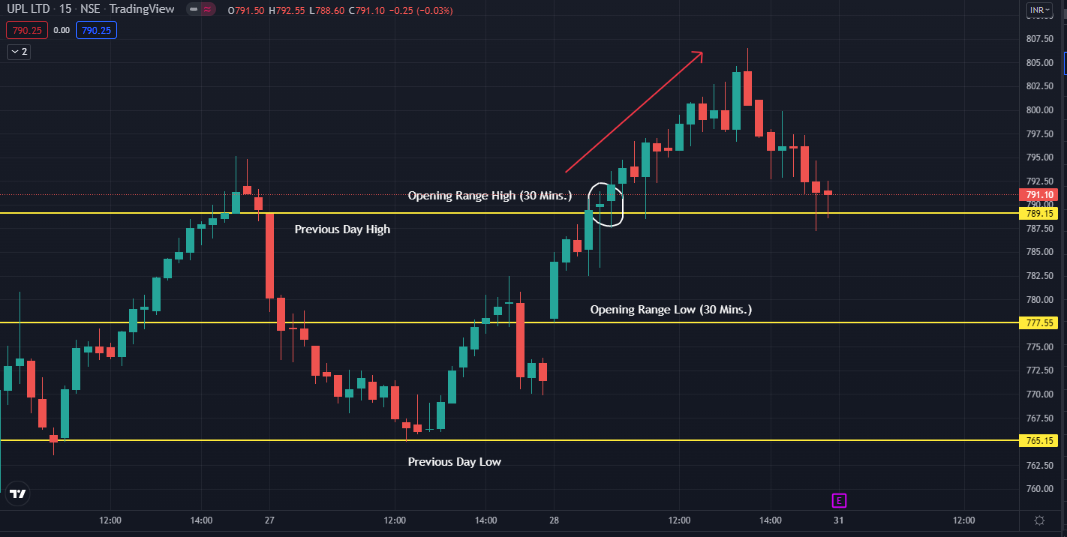


Use the Opening Range (OR):
- Mark first 15-minute High / Low
- If price breaks above OR High + holds → positive drift
- If price breaks below OR Low + holds → negative drift
This gives you the day’s directional intent.
No hold = no drift = range day.
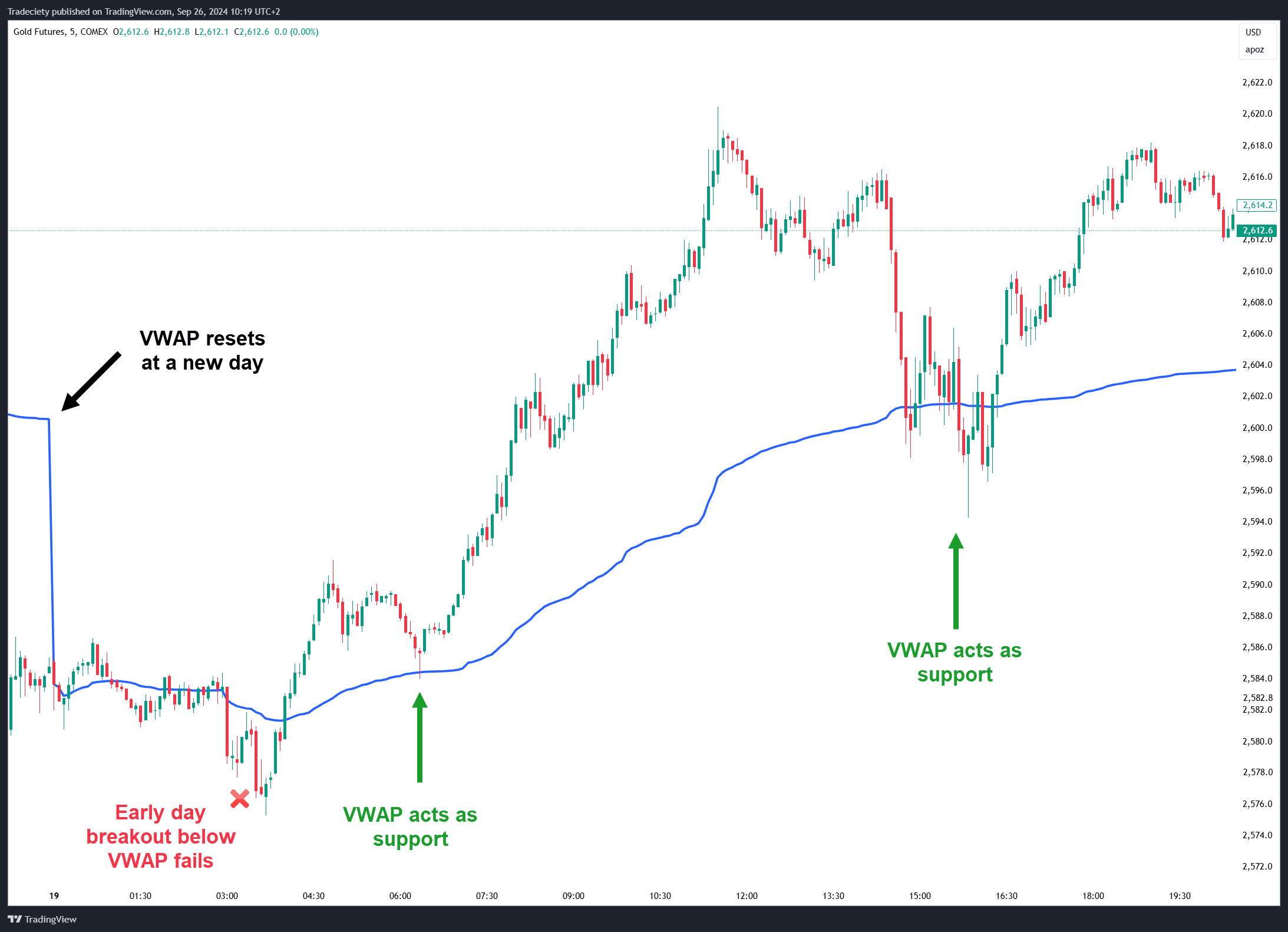
📈 Step 2 — Confirm With VWAP (institutional bias)
Add VWAP:
- Price above VWAP + VWAP rising → bullish drift
- Price below VWAP + VWAP falling → bearish drift
- Price chopping around VWAP → no drift (avoid trend trades)
VWAP tells you where big money is positioned.
📉 Step 3 — Measure Trend Strength (avoid fake drift)
Use ADX(14):
- ADX < 20 → noise / sideways (don’t trend trade)
- ADX > 25 → real drift exists
Direction comes from price vs VWAP / EMA.
⚡ Step 4 — Use EMA Slope for Continuation
Simple setup:
- EMA20 above EMA50 + both sloping up → long-only bias
- EMA20 below EMA50 + both sloping down → short-only bias
This filters emotional entries.
✅ Minimal Intraday Drift Checklist
Before any trade:
- Opening range break?
- Price on correct side of VWAP?
- ADX > 25?
- EMA slope agrees?
If 3/4 yes → trade
If not → wait.
🧠 Important Truth (most traders miss this)
Most intraday sessions have near-zero drift.
You only make money on:
- Trend days
- News days
- Strong open continuation days
Your edge is waiting for drift, not forcing trades.
One-line summary:
Intraday drift = Opening Range direction + VWAP bias + ADX confirmation + EMA slope. Trade only when all align.
If you want, next we can:
✅ Build a TradingView drift formula
✅ Apply this to NIFTY 50 / BankNifty specifically
✅ Show why most option buyers lose on low-drift days
✅ Create a mechanical day-trading ruleset
Just tell me.
🚨 Avoid Fading If...
- Sellers look strong in order book but price isn’t falling (buyers absorbing).
- Stock keeps making higher lows above VWAP.
- Broader market is surging up with momentum.
📑 Daily Review
After market, note down:
- Which trades taken (stock, setup, profit/loss).
- Did entry rules match plan?
- Did exit follow plan?
- Any emotional mistakes?
- Key improvement for tomorrow.
✅ Do’s & Don’ts
Do:
- Trade only your setup.
- Predefine stop loss before entry.
- Reduce size in thin liquidity or high volatility.
- Stop trading once target OR loss limit hit.
Avoid:
- Averaging losers.
- Trading news you don’t understand.
- Holding trades past 10:30.
- Chasing every minor signal.
⚡ Daily Flow (Step-by-step)
- 08:45 – Scan top gainers & news.
- 09:15 – Build watchlist & note opening range.
- 09:25 – Pick top 3–5 stocks.
- 09:26–09:40 – Look for breakouts (Setup A).
- 09:40–10:10 – Look for profit-booking fades (Setup B).
- 10:25 – Close all positions.
- 10:30 – Review & log trades.
🚦 Key Cautions
- Don’t obsess over ₹ profits. Think in terms of risk multiples (R).
- Skip trades if setups are only “half there.”
- Protect capital first, profit second.